
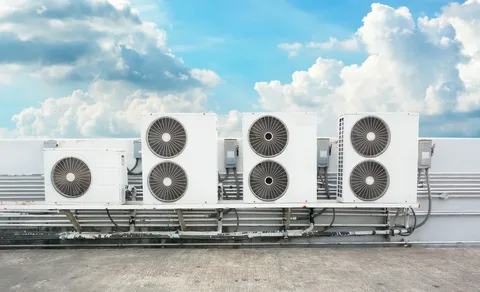
Energy-efficient air conditioning systems can cost more upfront than standard equipment, which often leads homeowners to ask whether the added investment is worthwhile. The answer depends on factors such as how often you use your AC, your home’s cooling needs, electricity costs, and how long you plan to keep the system.
A high-efficiency system is not automatically the right choice for every home. However, when properly selected and installed, efficient equipment can reduce energy consumption while providing reliable indoor comfort.
What Makes an AC System Energy Efficient?
An energy-efficient AC system is designed to provide the required cooling while using less electricity. Efficiency is influenced by the equipment itself, system size, installation quality, airflow, ductwork, and overall home performance.
Modern systems may include features designed to improve how the equipment operates under different cooling conditions. The efficiency rating of the equipment can help homeowners compare models, but it should not be the only factor considered.
A properly sized system that matches the home is essential for achieving the expected performance.
Lower Energy Consumption
One of the main reasons homeowners consider an energy-efficient AC system is the potential to use less electricity.
If two properly sized systems provide similar cooling output but one operates more efficiently, the more efficient system may consume less energy during operation. The actual savings will depend on factors such as outdoor temperatures, thermostat settings, system usage, home insulation, and equipment condition.
Homes that require frequent air conditioning may have more opportunity to benefit from improved efficiency.
Reduced Cooling Costs Over Time
Lower electricity consumption can translate into lower cooling costs. However, the amount a homeowner saves depends on the difference between the old and new systems and how frequently the AC operates.
For example, replacing an aging system that has lost efficiency may provide a noticeable improvement compared with continuing to operate older equipment.
The best way to evaluate potential savings is to compare the existing system’s condition and performance with the expected efficiency of the replacement.
Better Temperature Control
Efficiency is not only about electricity use. Modern AC systems can also provide more consistent temperature control when properly sized and installed.
An appropriately matched system can help reduce noticeable temperature differences between rooms and maintain the thermostat setting more consistently.
However, comfort problems can also result from insulation, windows, ductwork, airflow, or other parts of the home. Replacing the AC alone may not solve every comfort issue.
Improved Humidity Control
Air conditioning removes heat and moisture from indoor air. Proper system sizing and operation can therefore affect how well a home manages humidity.
An oversized AC system may cool a space quickly without running long enough to remove as much moisture as needed. Proper sizing can help the system operate for appropriate cycles and support more balanced indoor comfort.
Humidity performance depends on the equipment, home conditions, and installation, so it should be considered during system selection.
Older Systems May Be Less Efficient
If your current AC system is many years old, newer equipment may offer improved efficiency compared with what was commonly available when the existing unit was installed.
Age alone does not mean an AC system needs to be replaced. A well-maintained system may continue operating effectively. However, frequent repairs, rising energy costs, poor cooling performance, and recurring comfort problems can make replacement worth evaluating.
Installation Quality Matters
Even an efficient air conditioner may not perform as expected if it is installed incorrectly.
Important factors include:
- Correct system sizing
- Proper refrigerant charge
- Adequate airflow
- Correct electrical connections
- Proper ductwork
- Appropriate equipment matching
- Correct thermostat setup
- Proper drainage
Professional installation helps ensure that the equipment can operate according to its design.
Your Ductwork Can Affect Efficiency
The air conditioner is only one part of the cooling system. Ductwork that leaks, is poorly insulated, or is improperly sized can reduce overall performance.
If conditioned air escapes through damaged or leaky ducts, the AC may need to operate longer to maintain the desired indoor temperature.
During an AC replacement or efficiency upgrade, it can be useful to evaluate the condition of the duct system as well.
Consider the Upfront Cost
Energy-efficient equipment can have a higher purchase and installation cost than lower-efficiency options. That difference should be considered alongside expected operating costs.
A homeowner who uses air conditioning heavily may place greater value on long-term energy savings. Someone with limited cooling use may see a smaller difference in annual operating costs.
The right choice depends on your home’s cooling requirements and your expected length of ownership.
Consider How Long You Plan to Stay
The length of time you expect to use the new system can affect the value of an efficiency upgrade.
If you plan to remain in your home for many years, you will have more time to benefit from lower operating costs. If you expect to move soon, the financial calculation may be different.
Homeowners should consider both immediate costs and expected long-term use when comparing systems.
Maintenance Still Matters
An efficient AC system needs regular maintenance to continue operating properly. Dirty filters, restricted airflow, blocked coils, and other problems can reduce performance regardless of the equipment’s efficiency rating.
Regular maintenance can include filter replacement, inspection of system components, airflow checks, and other service recommended for the specific equipment.
Keeping the system maintained helps protect the investment and supports reliable cooling.
How to Decide if an Efficient AC System Is Worth It
Start by looking at your current system and how it performs.
Consider:
- How old is the existing AC?
- How often does it need repairs?
- Are cooling costs increasing?
- Does the system maintain comfortable temperatures?
- How frequently does the AC operate?
- Are some rooms consistently warmer or cooler?
- How long do you plan to stay in the home?
These factors can help determine whether upgrading to a more efficient system makes sense for your situation.
Why Choose C & J Air Conditioning Inc.?
C & J Air Conditioning Inc. helps homeowners evaluate their air conditioning needs and consider equipment options based on the requirements of their homes. Choosing a new AC system involves more than selecting an efficiency rating. Proper sizing, installation, airflow, and system compatibility all affect how the equipment performs.
A professional evaluation can help identify the factors that matter most before you invest in new cooling equipment.
Make an Informed AC Upgrade
Energy-efficient AC systems can be worthwhile when the equipment is properly sized, correctly installed, and used frequently enough for reduced energy consumption to make a meaningful difference.
The best choice is not necessarily the system with the highest efficiency rating. Instead, consider the complete picture, including equipment cost, expected energy use, home comfort, installation requirements, maintenance, and how long you expect to use the system.
For homeowners with an aging or inefficient AC system, comparing modern equipment options with the current system can provide a clearer picture of whether an upgrade makes sense.