
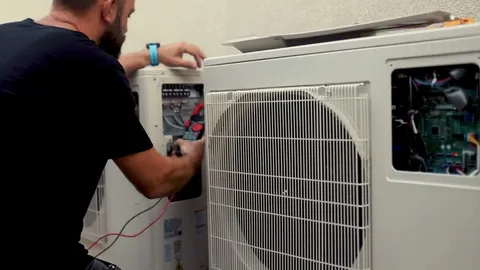
Replacing an air conditioner is a major home improvement decision, and the total cost can vary significantly from one home to another. The price depends on more than the equipment itself. System size, efficiency, installation requirements, ductwork, electrical needs, and the condition of the existing system can all affect the final cost.
Understanding these factors can help homeowners compare estimates and decide which features and improvements make sense for their home.
AC System Size
The size and cooling capacity of the new air conditioner are major cost factors. Larger systems generally require more equipment and can cost more than smaller systems.
However, choosing the largest unit available is not necessarily the right approach. An air conditioner should be properly sized for the home based on factors such as square footage, insulation, windows, layout, and local climate.
An oversized system can cycle on and off too frequently, while an undersized system may struggle to maintain the desired temperature. Proper sizing helps balance comfort, efficiency, and operating costs.
Energy Efficiency Rating
Energy efficiency can also affect the upfront cost of a new air conditioner. Higher-efficiency systems typically use more advanced equipment and may cost more initially.
The potential benefit is lower energy consumption during operation. Homeowners who use their air conditioning frequently may place greater value on efficiency than someone with limited cooling demand.
When comparing systems, consider both the initial investment and the expected operating costs over the life of the equipment.
Type of Air Conditioning System
The type of system being installed can have a significant effect on the total project cost. Central air conditioning, ductless systems, packaged equipment, and other configurations have different equipment and installation requirements.
A straightforward replacement may involve fewer modifications, while changing the type or configuration of the system can require additional work.
Your home’s existing setup should be evaluated before selecting new equipment.
Indoor and Outdoor Components
A complete AC system involves more than the outdoor condenser. Depending on the existing equipment and the replacement plan, the project may involve an indoor coil, air handler, refrigerant lines, thermostat, electrical components, and other parts.
Replacing multiple components can increase the initial cost, but matching the system components correctly is important for performance and efficiency.
A professional assessment can determine which components should be replaced and which may be suitable for continued use.
Ductwork Condition
Existing ductwork can affect both the cost and performance of an AC replacement. Leaking, damaged, poorly sized, or difficult-to-access ducts may require sealing, repairs, modifications, or replacement.
Installing a new air conditioner without addressing major duct problems may prevent the new system from delivering the expected airflow and comfort.
If your home has uneven temperatures or weak airflow, the duct system should be considered as part of the replacement evaluation.
Installation Complexity
Not every AC replacement is a simple equipment swap. The difficulty of accessing the equipment, routing refrigerant lines, modifying connections, or installing components in a difficult location can affect labor requirements.
Installation may also involve additional preparation when the new system has different specifications from the existing equipment.
A detailed estimate should explain the work included so homeowners can understand why one replacement project may cost more than another.
Electrical Requirements
A new air conditioner may require electrical modifications depending on the equipment and condition of the home’s existing electrical system.
Potential work can include updating wiring, disconnects, breakers, or other electrical components when necessary.
Electrical requirements vary by system and property, so they should be evaluated before installation rather than assumed from the price of the equipment alone.
Refrigerant and Equipment Changes
Modern air conditioning equipment may use refrigerants and components that differ from older systems. If the existing system uses an older refrigerant or is no longer compatible with the equipment being installed, additional replacement work may be necessary.
The refrigerant type, equipment compatibility, and installation requirements should be discussed when comparing replacement options.
Removal and Disposal of the Old System
The existing air conditioner needs to be safely removed before the replacement can be installed. Depending on the equipment and project scope, removal and disposal can be part of the installation cost.
Homeowners should confirm whether old equipment removal and disposal are included in the written estimate.
Thermostat and Control Options
A replacement can also provide an opportunity to upgrade the thermostat or control system. Basic controls generally cost less than advanced systems with features such as programmable schedules, remote access, or enhanced system monitoring.
The right choice depends on how much control and convenience you want from the new system.
Permits and Local Requirements
Some AC replacement projects require permits or inspections. Requirements and fees can vary depending on the location and type of installation.
These costs may be included in the contractor’s estimate or listed separately. Asking what is included can make it easier to compare estimates accurately.
Labor Costs
Professional installation is a significant part of the total replacement cost. Labor can vary based on the complexity of the installation, equipment location, required modifications, and amount of work involved.
A lower equipment price does not necessarily mean a lower total project cost if important installation work is excluded from the estimate.
Repair or Replacement
The cost of replacement should also be considered alongside the condition of your existing air conditioner.
An older system that requires frequent repairs, uses more energy, or struggles to maintain comfortable temperatures may make replacement worth considering. C & J Air Conditioning Inc. notes that aging equipment, expensive repairs, increasing energy costs, and declining comfort are common reasons homeowners consider new HVAC equipment.
A repair may still make sense when the system is relatively new and the problem is limited. The decision should be based on the system’s age, condition, repair history, operating performance, and expected future needs.
How to Compare AC Replacement Estimates
When reviewing estimates, do not compare only the final dollar amount. Look at what each contractor has included in the project.
Ask whether the estimate includes:
- New indoor and outdoor equipment
- Equipment sizing and selection
- Installation labor
- Refrigerant-related work
- Ductwork modifications
- Electrical work
- Thermostat or controls
- Removal of old equipment
- Disposal
- Permits when required
- Warranty information
A detailed estimate makes it easier to understand what you are paying for and identify differences between proposals.
Why Choose C & J Air Conditioning Inc.?
C & J Air Conditioning Inc. helps homeowners evaluate their heating and cooling needs when an existing system is aging, inefficient, or no longer providing the desired comfort. The company provides guidance on new HVAC equipment and replacement considerations so homeowners can review their options before making a major investment.
A proper replacement starts with understanding the home’s current system, identifying its limitations, and selecting equipment that fits the property’s cooling requirements.
Plan Your AC Replacement With Confidence
AC replacement cost depends on the complete scope of the project. Equipment size, efficiency, system type, ductwork, electrical requirements, installation complexity, and the condition of the existing system can all affect the final price.
Rather than choosing an air conditioner based only on its upfront cost, consider how the equipment will perform, how efficiently it will operate, and what installation work is required. A detailed evaluation and written estimate can help you choose a replacement that fits your home and long-term cooling needs.